Choosing the right Stepper Gear Motor is crucial for many applications. According to a report by Market Research Future, the global stepper motor market is expected to grow at a CAGR of 6.7% during the forecast period. This growth illustrates the increasing demand in automation and robotics. Renowned industry expert Dr. Emily Carter states, “Selecting a Stepper Gear Motor requires understanding your specific needs and application demands.”
These motors play a pivotal role in precise control systems. Their ability to provide accurate positioning makes them ideal for 3D printing, CNC machinery, and robotic arms. However, not all stepper motors are created equal. Factors such as torque, speed, and step angle are vital in making the best choice.
Mistakes may occur if one rushes this decision. It's essential to consider load requirements and control methods before finalizing a motor. Striking a balance between performance and cost often leads to tough choices. Proper evaluation of the variables involved can enhance system efficiency and reliability.
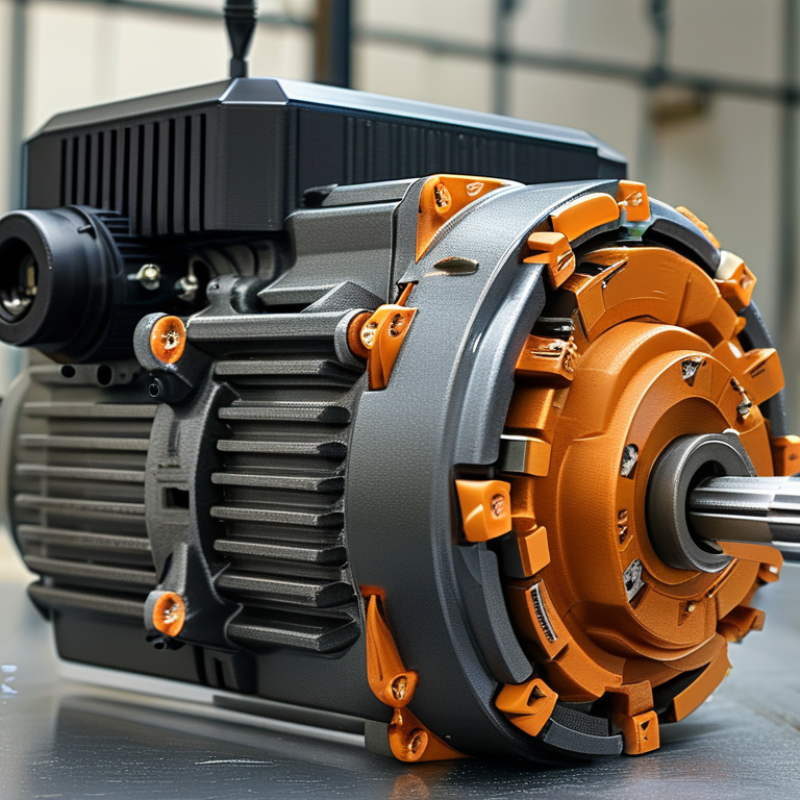
Understanding the Basics of Stepper Gear Motors
Stepper gear motors are versatile components in various applications. Understanding how they operate is crucial for choosing the right one for your projects. These motors convert electrical pulses into precise mechanical movement. They offer excellent control over speed and position, which makes them popular in robotics and automation.
When selecting a stepper gear motor, consider the torque requirements. Higher torque may be necessary for heavier loads. The motor's speed rating is also vital. If your application demands quick adjustments, opt for a high-speed motor. It can significantly impact performance in dynamic tasks.
Tips: Always evaluate the application's specific needs before making a decision. Don't overlook the motor's step angle; it influences the resolution of movement. Testing prototypes can provide insights into performance challenges. Ultimately, it's essential to balance multiple factors for the best outcomes.
Identifying Your Application Requirements for Stepper Motors
When selecting a stepper gear motor, it's essential to identify your application requirements. Stepper motors are widely used in automation, robotics, and CNC machines. According to a report by MarketsandMarkets, the global stepper motor market is projected to reach $5.3 billion by 2025, highlighting its growing significance.
Understanding torque and speed requirements for your application is crucial. A motor's torque rating indicates its ability to perform work. For precise movements, a higher torque rating may be necessary. In contrast, applications demanding faster speeds may prioritize different specifications. Assess the load that the motor will carry. This analysis can help in selecting a suitable stepper motor.
Tip: Assess the operational environment. Factors such as temperature and humidity can affect motor performance. Another factor to consider is whether you need open-loop or closed-loop control systems. Open-loop is often simpler and less expensive, but it lacks the feedback mechanism found in closed-loop systems.
Don't overlook power supply requirements. Ensure your stepper motor is compatible with your power source. This compatibility will significantly affect performance. Sometimes the perfect motor isn't available, leading to compromises. Analyze the potential trade-offs between speed and torque and be prepared to adjust expectations.
Evaluating Key Specifications: Torque, Speed, and Precision
When selecting a stepper gear motor, torque, speed, and precision are key specifications to evaluate. Torque determines the motor’s ability to perform heavy lifting. For instance, a stepper motor with a holding torque of 0.5 Nm can support applications requiring moderate force. According to industry data, motors offering higher torque ratings tend to operate at slower speeds. Therefore, examining your requirements closely can help you find the right balance between these two factors.
Speed, measured in revolutions per minute (RPM), is another crucial element. For precise applications, a typical stepper motor may achieve speeds around 200 RPM while maintaining accuracy. Precision is often gauged in terms of step angle. A 1.8-degree stepper motor provides 200 steps per revolution, ensuring accurate positioning. If high precision is needed, consider using micro-stepping techniques, which can improve resolution significantly.
Tip: Always calculate the load requirements before choosing a motor. Underestimating torque can lead to motor stall and failure. Likewise, consider the application environment and thermal conditions that could affect performance. Monitoring these factors can enhance motor longevity and reliability.
Comparing Different Types of Stepper Gear Motors
When selecting a stepper gear motor, understanding the different types available is crucial. Stepper motors mainly fall into two categories: permanent magnet stepper motors (PM) and variable reluctance stepper motors (VR). According to industry reports, PM motors are favored for applications needing high torque at low speeds, while VR motors excel in speed and efficiency. Each type has unique characteristics suited for varied applications.
A recent study indicated that nearly 50% of users prefer PM motors for robotics and automation due to their strong performance in precise positioning. Conversely, VR motors are often chosen for applications requiring rapid movements, such as 3D printers. However, both types also face challenges. PM motors can experience torque drop at higher speeds, making them less effective in fast-paced settings. Meanwhile, VR motors may produce more noise, which could be a disadvantage in noise-sensitive environments.
Another aspect to consider is gear ratio. A higher gear ratio provides more torque but less speed, potentially affecting the application's efficiency. The right balance depends on specific project needs. Additionally, an over-reliance on data may lead to overlooking crucial mechanical aspects, such as load capacity, which can cause operational issues. Always assess your requirements critically to make the most informed decision.
Making an Informed Purchase Decision: Tips and Resources
Choosing the right stepper gear motor is crucial for your project's success. Start by identifying your specific needs. Consider torque, speed, and precision. A reputable report from MarketsandMarkets indicates that the global stepper motor market is projected to grow to approximately $7.48 billion by 2025, highlighting the increasing demand for precision motion control solutions. This trend suggests that investing in quality components is essential.
When evaluating options, examine technical specifications in detail. Analyze the required holding torque for your application. If you're in a robotics sector, for example, a torque that matches your design is vital. Failure to ensure appropriate specifications may lead to underperformance. Additionally, pay attention to the step angle. A smaller angle can provide finer control but may add complexity.
Resources like technical manuals and user reviews can help in decision-making. Look for community feedback on particular motors. Past users often highlight pitfalls, such as overheating or resonance issues. These insights can save you time and money. While there is no perfect motor, a thorough understanding of your needs and available resources will lead you to a more informed choice.
FAQS
: They are used in automation, robotics, and CNC machines. They convert electrical pulses into mechanical movement.
Identify specific needs like torque, speed, and precision. Analyze the load and operational environment.
Torque indicates the motor's ability to perform work. Higher torque is necessary for heavier loads and precise movements.
If quick adjustments are needed, select a high-speed motor. Speed impacts performance in dynamic applications.
The step angle affects the resolution of movement. A smaller angle allows for finer control but may add complexity.
Evaluate factors like temperature and humidity. These can significantly affect the motor's operation.
Open-loop is simpler and less expensive. Closed-loop offers feedback for more precise control.
It is crucial. Ensure your motor matches your power source to optimize performance.
Consult technical manuals and user reviews. Community feedback can highlight potential pitfalls in performance.
Be prepared to make compromises. Analyze trade-offs between speed and torque, and adjust expectations accordingly.
Conclusion
Choosing the right Stepper Gear Motor for your needs requires a solid understanding of its fundamentals and your specific application requirements. Start by grasping the basic principles of stepper gear motors, which provide precise control over motion and positioning. Assess your application to identify critical factors such as the necessary torque, speed, and precision to ensure optimal performance.
Next, evaluate the specifications of different types of stepper gear motors available in the market, as they can vary significantly. It's essential to compare these factors to determine the best fit for your project. Finally, leverage tips and resources to make an informed decision when purchasing a stepper gear motor. By following this guideline, you can find a motor that perfectly matches your operational needs while ensuring efficiency and reliability.
 Zentec Motor
