Zentec Motor
Choosing the right Other Gear Motor is crucial for optimal performance in various applications. Industry expert John Smith, a mechanical engineer with over 15 years of experience, emphasizes, “Selecting the right motor requires an understanding of both specifications and use cases.” His insights highlight the importance of matching gear motors to specific needs.
When considering an Other Gear Motor, it’s essential to evaluate power, speed, and torque requirements. Each application demands unique characteristics. A mismatch could lead to inefficiencies or mechanical failures. Look for reliable data and user testimonials to guide your decision.
Take time to explore different options. Understanding the intricacies of gear reduction and motor types can aid in making a wise choice. Not all motors are created equal; some may fall short in demanding environments. Reflecting on your specific needs will help in navigating this complex decision-making process.
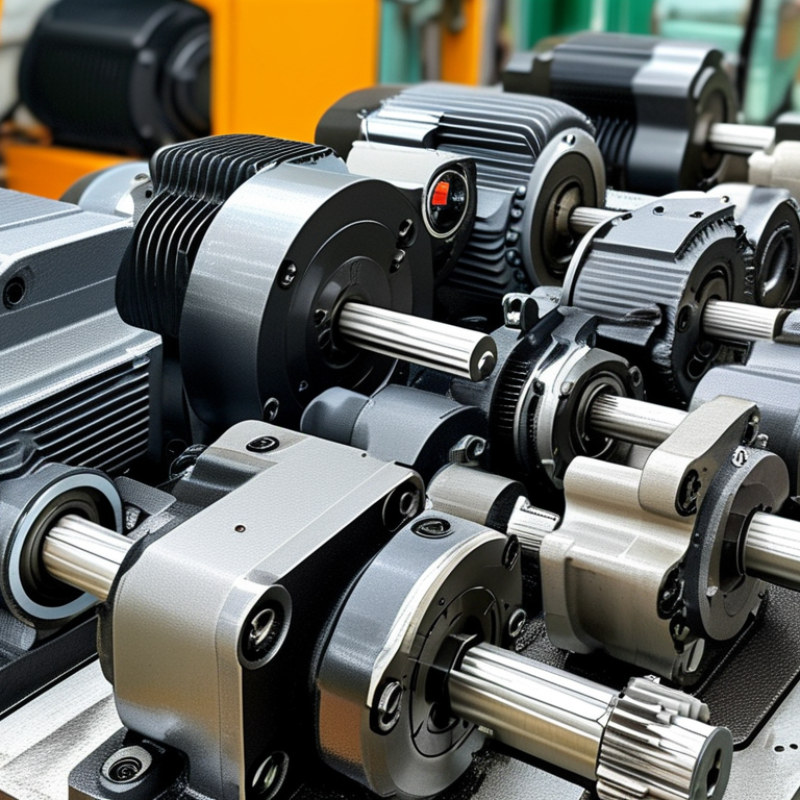
When choosing a gear motor, understanding the types available is crucial. Gear motors are widely used in various applications, from robotics to conveyor systems. The two main types are AC and DC gear motors. AC gear motors provide good torque and are known for their durability. They are typically used in industrial applications. In contrast, DC gear motors offer variable speed control, making them ideal for precise tasks. According to industry reports, the global gear motor market is expected to reach $23.5 billion by 2025, highlighting their growing importance.
Different configurations exist as well. For example, planetary gear motors are compact and efficient, suitable for space-constrained applications. Their design allows for higher torque output relative to size. Worm gear motors, on the other hand, provide high reduction ratios and self-locking capabilities. However, they can be less efficient. Selecting the right type depends on factors like torque, speed, and spatial constraints. Many engineers face challenges in balancing these requirements while maintaining efficiency and cost-effectiveness. As the market evolves, integrating smart technologies into gear motors is also becoming common, pushing the boundaries of traditional designs.
When choosing a gear motor, it’s vital to assess your specific application requirements. The performance of a gear motor greatly depends on torque, speed, and load capacity. According to industry analysis by the International Electromechanical Association, over 70% of equipment failures in robotic applications arise from improper motor selection. This statistic highlights the need for a thorough evaluation of your needs.
Understanding the environment is also important. Consider applications ranging from automotive to manufacturing. Different environments can affect how a gear motor performs. Exposure to extreme temperatures or pollutants can influence longevity and efficiency. Using a motor rated for these conditions can prevent unexpected breakdowns.
Tips: Always review technical specifications carefully. Don't assume one size fits all. Lastly, consult with industry experts when in doubt. Their experience can help steer your decisions. Acknowledging that each application is unique will enhance the reliability of your choice.
When selecting an other gear motor, key factors play a crucial role. First, understand your application. The motor's torque and speed specifications must align with your project's requirements. For example, a robot arm may need precise movement while an industrial conveyor might prioritize power. Evaluate how these aspects affect your choice.
Next, consider the motor's size and weight. Space constraints can dramatically influence your decision. A compact motor may fit better in tight spaces but might not deliver the necessary torque. Additionally, the environment where the motor will operate is significant. Harsh conditions can affect durability. Look for motors designed to withstand specific challenges, like temperature extremes or exposure to dust and moisture.
Quality and reliability should never be compromised. Investigate the manufacturer's reputation and customer feedback. An unreliable motor can derail your entire project. Reviews and case studies provide insights into a product's performance. While no product is perfect, understanding common issues can guide you to make a more informed choice. Balancing performance, size, and durability can lead to success in your application.
When selecting a gear motor, understanding performance specifications is crucial. These specifications can include torque, speed, and efficiency ratings. Torque defines the motor's strength. A high torque means the motor can handle heavier loads. Speed, measured in RPM, indicates how fast the motor can operate. Both factors greatly influence the motor's application.
Efficiency is another key specification. A more efficient motor saves energy and reduces operational costs. However, efficiency might come at a higher price. That's where one must reflect on their budget constraints versus performance needs. Not all high-efficiency motors will suit every task, especially if the load varies. The right balance is essential.
Beyond numbers, consider reliability and lifespan. A cheaper motor may fail faster, leading to additional costs. Investigating user reviews can provide insights into real-world performances. Are there frequent complaints about overheating or noise? These factors can guide your choice. Understanding these performance specifications lets you make an informed decision, tailored to your specific requirements.
When selecting a gear motor, budgeting and cost-effectiveness are critical. Industry reports indicate that up to 40% of project budgets can be allocated to motor choices. Selecting a motor that meets both performance and cost requirements is essential. Understanding your torque and speed needs can lead to significant savings. A precise evaluation of these parameters can prevent overspending on unnecessary features.
It's important to consider the total cost of ownership. Initial purchasing costs can be misleading. Maintenance and energy consumption substantially affect long-term expenses. Research shows that energy-efficient motors can reduce operating costs by 20% or more. Properly analyzing lifecycle costs can reveal hidden expenses, helping create a more reliable budget.
Balancing cost against quality is a frequent dilemma. Sometimes cheaper options lead to more issues down the line. Inexperience can lead to poor choices. In contrast, investing in a higher-quality motor may provide better performance and longevity. It's essential to reflect on your specific needs and operational context before making decisions. Understanding the trade-offs and assessing long-term benefits can enhance overall cost-effectiveness.
: The primary types are AC and DC gear motors. AC motors offer durability, while DC motors allow for variable speed control.
Planetary gear motors are compact, efficient, and deliver high torque. Worm gear motors provide high reduction ratios but may be less efficient.
Proper motor selection prevents failures. Over 70% of equipment failures in robotics stem from choosing the wrong motor.
Consider torque, speed, load capacity, and environmental conditions. These factors influence performance and longevity.
Extreme temperatures and pollutants can degrade efficiency and lifespan. Using motors rated for specific conditions enhances reliability.
Efficiency impacts energy consumption and operational costs. However, higher efficiency might incur additional expenses.
Reflect on budget versus performance needs. Cheaper motors might fail quickly, leading to extra costs over time.
Reviews highlight real-world performance issues like overheating or noise. They provide insights beyond technical specifications.
Consult with industry experts for guidance. Their experience can clarify your choices and enhance reliability.
No, each application has unique requirements. Carefully review technical specifications to ensure the best fit for your needs.
Choosing the best Other Gear Motor for your needs requires a comprehensive understanding of the different types available in the market. It's crucial to first assess the specific requirements of your application, as this will guide your selection process. Factors such as torque, speed, and mounting options play an essential role in determining the most suitable gear motor for your operational needs.
Moreover, comparing the performance specifications of various Other Gear Motor options can provide insight into which unit may perform better in your context. Additionally, budgeting is a vital aspect; ensuring that you achieve cost-effectiveness while not compromising on quality is key to making a smart purchase. By considering these elements, you can effectively narrow down your choices and select the ideal Other Gear Motor for your application.
