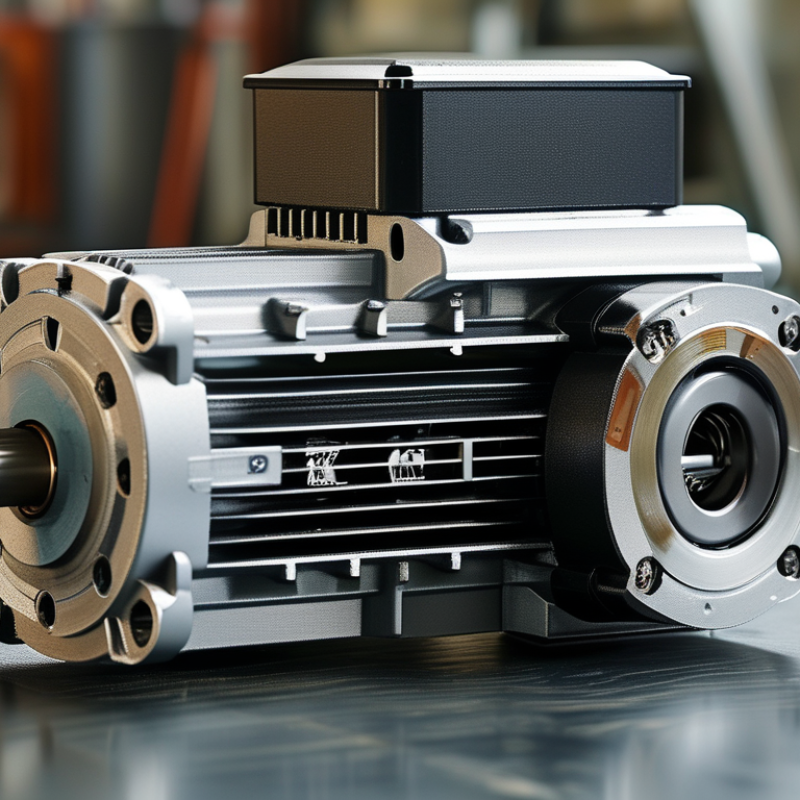
Choosing the right motor application is crucial for various industries. Different projects require specific solutions. A well-selected motor application can enhance efficiency and performance.
Understanding your project's needs is the first step. Evaluate factors like load requirements, speed, and torque. Each application has unique demands. Misjudging these aspects can lead to inefficiencies.
In this process, expert advice can be invaluable. Collaborate with specialists who know motor applications. Their insights can save time and prevent costly mistakes. Reflecting on past choices can also inform better decisions. Always keep learning and adapting.
Understanding the Different Types of Motors Available in the Market
When selecting a motor for your application, understanding the types available in the market is crucial. AC and DC motors are the two primary categories. AC motors are commonly used in industrial settings. They are known for their durability and lower maintenance needs. In fact, reports indicate that AC motors make up about 60% of the total global motor market. This is due to their efficiency in handling high loads.
DC motors, on the other hand, provide better speed control and are prevalent in electronics and automotive applications. They account for roughly 25% of the market. Data shows that brushless DC motors are gaining traction, especially in applications requiring precision and reliability. Their adoption has risen by 15% over the past three years. Yet, one must consider the trade-offs. While DC motors are highly efficient, their complexity can lead to higher failure rates in certain applications.
Beyond these, specialized motor types like stepper and servo motors cater to niche markets. Their applications span robotics and CNC machinery, where precise movement is essential. However, these motors can be more expensive and may necessitate a deeper understanding for proper integration. It's vital to weigh the benefits against the limitations while choosing the right motor. The decision-making process can be intricate, highlighting the importance of thorough research and knowledge in this field.
Identifying Your Specific Application Requirements and Constraints
Selecting the right motor is crucial for specific applications. Begin by identifying your unique requirements. Consider factors like torque, speed, and load capacity. For instance, in applications needing high acceleration, brushless DC motors can excel. According to the International Electrotechnical Commission, these motors can achieve up to 90% efficiency in certain conditions. This data highlights the importance of understanding the technical specifications.
Tips: Assess the environment where the motor operates. High temperatures or humidity can affect performance. Be mindful of space constraints too. Sometimes a compact solution is needed even if it compromises torque.
Next, account for your budget. High-performance motors often come at a premium. However, investing in quality can reduce maintenance costs long-term. Reports suggest that poor motor choices lead to up to 30% higher operating costs over time. Balancing cost and efficiency should be your goal.
Tips: Look into energy-efficient options. They might be pricier initially but can save money over their lifespan. Regular assessment of motor performance against application needs is also essential. Don't overlook the importance of periodic reviews.
Evaluating Performance Characteristics of Motors for Your Needs
When evaluating performance characteristics of motors, several factors come into play.
Efficiency is crucial. According to the U.S. Department of Energy, a motor can consume up to
70% of a facility's energy needs. Selecting a motor optimized for efficiency can significantly lower operational costs.
Another important aspect is torque. Different applications require different torque settings.
For instance, high starting torque is vital for applications like elevators. An inadequate torque can lead to machine failures
or safety concerns. Performance data from the IEEE shows that motors with a high torque-to-weight ratio tend to meet demanding operational requirements effectively.
Speed control is also essential. Applications that involve variable loads often rely on precise speed adjustments.
Considering a motor's ability to handle fluctuations is imperative. The National Electrical Manufacturers Association highlights that variable frequency drives
can enhance a motor's overall performance, making them more adaptable.
Making the right choice involves understanding these performance metrics thoroughly. Each application has unique demands.
Gathering data from multiple sources can provide a clearer picture of what motor specifications best suit specific operational needs.
This approach reflects an understanding that no single motor fits all applications.
Analyzing Cost-Effectiveness and Energy Efficiency Metrics
When selecting a motor application, energy efficiency and cost-effectiveness take center stage. A recent industry report indicates that energy-efficient motors can reduce electric consumption by up to 30%. With rising energy prices, businesses can save significantly on operational costs. Understanding these metrics can determine your future profitability.
However, the upfront investment in efficient technology can be daunting. Some businesses may shy away from the initial costs associated with high-efficiency motors. Yet, research has shown that over a motor's lifecycle, savings on energy bills often outweigh these costs. Consider that the total cost of ownership includes maintenance and energy use, which are critical factors in decision-making.
It's essential to analyze specific energy consumption patterns of your application. Real-world data suggests that motors running continuously may provide better returns on investment when upgraded. There’s no one-size-fits-all approach. Each application may require different metrics for evaluation. Organizations must weigh potential savings against the capital required for upgrade. Thus, comprehensive analysis is key, ensuring informed choices that align with long-term goals.
Considering Maintenance, Longevity, and Support Options for Motors
When selecting a motor application, maintenance is a crucial factor.
Regular upkeep ensures longevity. A well-maintained motor can last several years longer than one that is neglected. Check for wear and tear on components. This can prevent breakdowns and costly repairs.
Longevity of motors significantly impacts operational efficiency. A motor designed for durability could save money over time. However, some motors require intensive upkeep. These might not suit every application.
Consider your team's expertise when selecting a motor. If specialized maintenance is required, training staff could be necessary.
Support options are also essential. Reliable support can help address unexpected issues.
A supplier with good customer service can make a difference. Quick responses can minimize downtime. Reflect on your support needs carefully.
It might be worth investing in a motor with robust support options.
Consider how these factors together shape your final choice.
FAQS
: Focus on energy efficiency and cost-effectiveness. These factors greatly influence profitability.
They can reduce electric consumption by up to 30%. This leads to significant savings on operational costs.
The initial investment can be daunting. Many businesses hesitate due to upfront costs.
Consider total ownership costs, including energy use and maintenance over the motor’s lifespan.
It helps determine if an upgrade would yield better returns on investment for your application.
Regular maintenance ensures a motor lasts longer. Neglect can lead to breakdowns and costly repairs.
Reliable support helps manage unexpected issues. Quick responses reduce downtime.
No, some require intensive maintenance, which may not be suitable for every application.
A durable motor typically saves money over time through reduced replacement and maintenance costs.
Training staff may be necessary to ensure proper upkeep and longevity of the motor.
Conclusion
Selecting the appropriate motor application is crucial for achieving optimal performance and efficiency in various industrial and commercial settings. The first step involves understanding the different types of motors available, which include AC, DC, and stepper motors, among others. Following this, it is essential to identify specific application requirements, such as load capacity, speed, and environmental conditions, to ensure that the motor will operate effectively within the intended context.
Additionally, evaluating the performance characteristics, such as torque and power output, alongside cost-effectiveness and energy efficiency, can help in making an informed choice. It is also vital to consider the maintenance demands, expected longevity, and availability of support options for the motor application to avoid future issues and ensure seamless operation. By carefully analyzing these factors, one can select a motor that aligns precisely with their needs while optimizing operational efficiency and cost.
 Zentec Motor