Zentec Motor Zentec Motor

What is an Electric Gear Motor and How Does it Work?

Time:2026-08-16 Author:Sophia
0%

Electric Gear Motors are vital components in various applications. These devices combine electric motors with gear systems to optimize speed and torque. When you need precise control, Electric Gear Motors shine. They work by converting electrical energy into mechanical energy, using a series of gears to adjust the motor's output characteristics.

Understanding how Electric Gear Motors function is crucial for engineers and hobbyists alike. They are often used in robotics, conveyors, and power tools. These motors enhance efficiency and performance, making them suitable for heavy-duty tasks. However, not every application requires a gear motor, and one must evaluate needs carefully. Misuse can lead to inefficiencies, which may cause frustration.

Many people overlook the complexity of Electric Gear Motors. Whether it's a simple toy or an industrial machine, maintaining efficiency is key. Users should be aware of potential pitfalls. It's easy to underestimate how these systems interact under load. Therefore, to harness their full potential, thoughtful consideration of design and application is necessary.
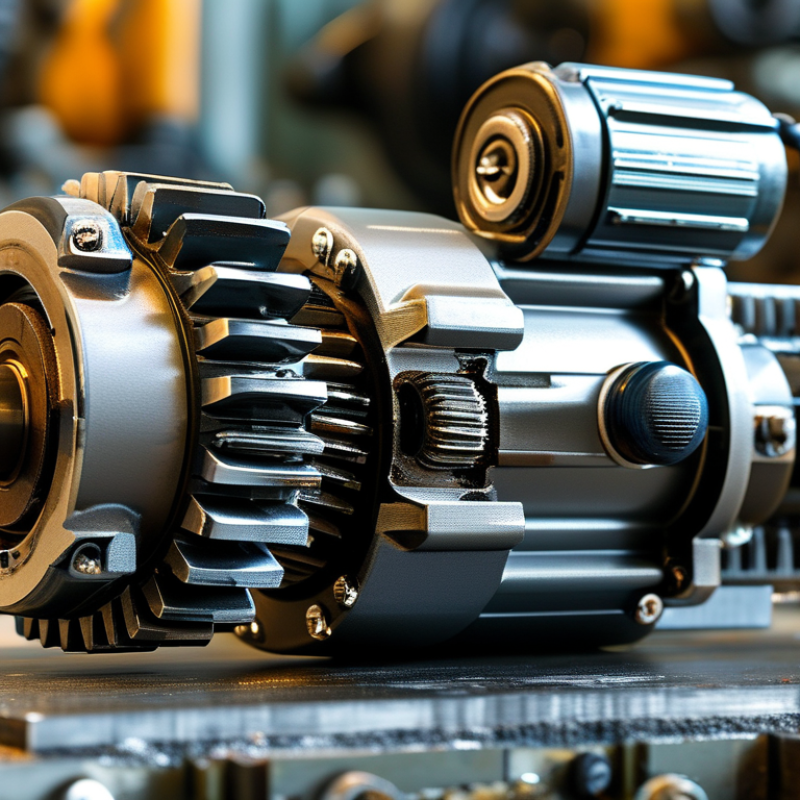
What is an Electric Gear Motor and How Does it Work?

What is an Electric Gear Motor?

An electric gear motor is a compact device that combines an electric motor and a gear system. It transforms electrical energy into mechanical energy, allowing for efficient movement. The motor generates rotation, while the gears adjust the speed and torque. This makes the unit versatile for various applications, from robotics to home appliances.

Understanding how it works is key. When electric current flows through the motor, it creates a magnetic field. This field interacts with the rotor, causing it to spin. The attached gears then modify this spin, either increasing torque or reducing speed. This conversion process is critical in many mechanical systems.

Despite their advantages, electric gear motors can face issues like overheating or gear wear. Continuous use may lead to performance degradation. Regular maintenance is essential to ensure reliability. Users should monitor signs of wear and replace parts as needed. This attention to detail ultimately enhances the motor's lifespan and efficiency.

Components of an Electric Gear Motor

Electric gear motors are essential components in various industrial applications. Understanding their structure helps in optimizing usage. An electric gear motor typically integrates an electric motor with a gear reduction system. This combination allows for efficient torque and speed control. The motor drives the gears, converting electrical energy into mechanical energy.

Key components of an electric gear motor include the stator, rotor, gearbox, and housing. The stator creates a magnetic field. The rotor converts this field into rotational motion. Gearboxes are crucial for multiplying torque. They come in different types, such as spur, helical, or planetary gears. Each type affects efficiency and performance differently.

According to a report by Research and Markets, the global electric gear motor market is projected to grow significantly, reaching USD 16 billion by 2025. Despite advancements, challenges remain in durability and efficiency standards. The integration of smart technologies into these motors raises questions about reliability. Data suggests that nearly 25% of electric motor failures are attributed to gear issues. Understanding these components allows engineers to improve designs and reduce failure rates.

How Electric Gear Motors Convert Electrical Energy to Mechanical Energy

Electric gear motors play a vital role in various applications, from robotics to conveyor systems. They convert electrical energy into mechanical energy through a simple yet effective mechanism. Inside these motors, electrical currents flow through coils, creating magnetic fields. This interaction drives the rotor, which is connected to gears that amplify torque and reduce speed.

The efficiency of an electric gear motor depends on several factors. Quality materials and precise engineering are essential for optimal performance. However, not all motors are built the same. Some may experience excessive heat or wear over time, affecting their reliability. It's crucial to identify the right motor type for your specific needs, considering factors like load requirements and operating conditions.

Electric gear motors usually require periodic maintenance to ensure longevity. Users should check for signs of wear, lubrication, and other issues regularly. Neglecting this can lead to unexpected failures. An understanding of how these motors work, their strengths, and limitations can aid in making informed choices for various applications. Recognizing potential flaws in your selection process is just as important as understanding the technology itself.

Applications of Electric Gear Motors in Various Industries

Electric gear motors are widely used across diverse industries. They combine an electric motor with a gear reduction system. This integration enhances torque and efficiency. In manufacturing, these motors drive conveyor belts. They ensure smooth operation, reducing manual labor. In robotics, electric gear motors allow precise movements. They enable accurate positioning, crucial for automation.

In the automotive sector, these motors play a vital role. They power window mechanisms and seat adjustments. Their reliability is essential for both safety and comfort. In the packaging industry, electric gear motors help in automated filling and sealing processes. This improves productivity while minimizing errors.

Despite their advantages, not all applications suit electric gear motors. Sometimes, maintenance can be a challenge. Gear wear can lead to inefficiencies. Users must consider the working environment and load requirements. Overall, understanding the best use cases is critical for maximizing performance.

What is an Electric Gear Motor and How Does it Work? - Applications of Electric Gear Motors in Various Industries

Application Industry Common Use Cases Advantages of Electric Gear Motors Typical Specifications
Manufacturing Conveyor systems, automated assembly lines High efficiency, low maintenance, compact design Power: 100W to 5000W, Torque: 0.5 to 250 Nm
Automotive Electric vehicles, power steering systems Environmentally friendly, less noise, regenerative braking Power: 200W to 1000W, Torque: 1 to 35 Nm
Food and Beverage Mixers, packaging machines, conveyors Hygienic design, reliable performance, energy-efficient Power: 50W to 1500W, Torque: 0.2 to 100 Nm
Textile Sewing machines, weaving looms Precision control, smooth operation, reduced vibrations Power: 100W to 2000W, Torque: 0.3 to 80 Nm
Robotics Robotic arms, automated guided vehicles High torque-to-weight ratio, precision, adaptability Power: 50W to 3000W, Torque: 0.5 to 150 Nm

Advantages and Limitations of Using Electric Gear Motors

Electric gear motors are popular in many applications due to their unique combination of advantages. One key benefit is their torque multiplication. They provide high torque at low speeds, making them ideal for heavy-duty tasks. This feature reduces the need for larger, bulkier motors. Moreover, they offer precise control. Users can easily adjust speed and direction, enhancing operational flexibility.

However, electric gear motors come with limitations. They can generate heat during extended use. This requires effective cooling solutions to maintain performance. Additionally, their size and weight may be a drawback in certain compact designs. Users need to consider these aspects to avoid potential issues. While they are generally reliable, gear wear can occur over time, affecting efficiency.

In practical applications, the balance between advantages and limitations is critical. Understanding these factors helps users make informed decisions. The choice of an electric gear motor should align with specific project requirements. Each application may necessitate different considerations to optimize outcomes.

FAQS

: What are electric gear motors?

: Electric gear motors integrate an electric motor with a gear reduction system for better torque and speed control.

How do electric gear motors work?

They convert electrical energy to mechanical energy by using electrical currents to create magnetic fields that drive the rotor.

What components are in electric gear motors?

Key components include the stator, rotor, gearbox, and housing. Each plays a role in efficiency and performance.

Why is the choice of gearbox type important?

Different gearbox types, like spur or planetary, affect torque multiplication and overall efficiency in performance.

What maintenance do electric gear motors require?

Regular checks for wear, lubrication, and other issues are essential to prevent unexpected failures and to prolong life.

Are electric gear motors suitable for all applications?

Not every application fits. Maintenance and gear wear can cause inefficiencies, making careful selection important.

What challenges do electric gear motors face?

Durability and efficiency standards can be an issue. It's crucial to recognize potential weaknesses in design and material.

How do electric gear motors impact productivity in industries?

They enable automation in tasks like conveyor movement or packaging, improving efficiency and reducing manual labor.

What is the projected market growth for electric gear motors?

The market is expected to grow to USD 16 billion by 2025, highlighting their increasing importance in various sectors.

How can one improve the efficiency of electric gear motors?

Using quality materials and precise engineering is essential. Understanding the specific load and operating conditions matters too.

Conclusion

An Electric Gear Motor is a crucial device that combines the functionalities of an electric motor and a gear mechanism to convert electrical energy into mechanical energy efficiently. It typically consists of several key components, including an electric motor, gears, and a housing, which work together to produce controlled motion and torque. The process involves the motor generating rotational movement, which is then modified by the gears to achieve the desired speed and power output.

Electric Gear Motors find diverse applications across various industries, from manufacturing and robotics to automotive systems and appliances. Their ability to provide precise control and high torque at low speeds makes them invaluable in automated processes. While they offer significant advantages, such as compact size and reliability, it's essential to consider limitations like potential overheating and maintenance needs. Overall, Electric Gear Motors play a vital role in modern machinery and automation, enhancing efficiency and productivity.

Sophia

Sophia

Sophia is a dedicated marketing professional with an exceptional depth of knowledge about her company's products and services. With a keen understanding of market trends and customer needs, she crafts insightful blog posts that not only inform but also engage readers, enriching the company’s online......