 Zentec Motor
Zentec Motor
Zentec Motor
The demand for High Torque Motors is rapidly increasing in 2026. Industries such as automotive and manufacturing rely heavily on these advanced motor solutions. According to recent reports, the global market for high torque motors is projected to reach USD 5 billion by 2026. This figure highlights a significant growth of 15% annually over the past five years.
High torque motors are essential for applications requiring robust performance and efficiency. They play a critical role in electric vehicles, robotics, and heavy machinery. However, many manufacturers face challenges in meeting this soaring demand. Issues such as supply chain disruptions and material shortages can impact production schedules. This raises concerns about reliability and timeliness in delivering high torque motor solutions.
As we explore this market, we must consider various factors. The innovation of high torque technology continues to advance, attracting global buyers. Yet, reflection on sustainability practices is needed. Companies must balance performance with environmental considerations. Understanding these dynamics is key to navigating the changing landscape of high torque motors effectively.
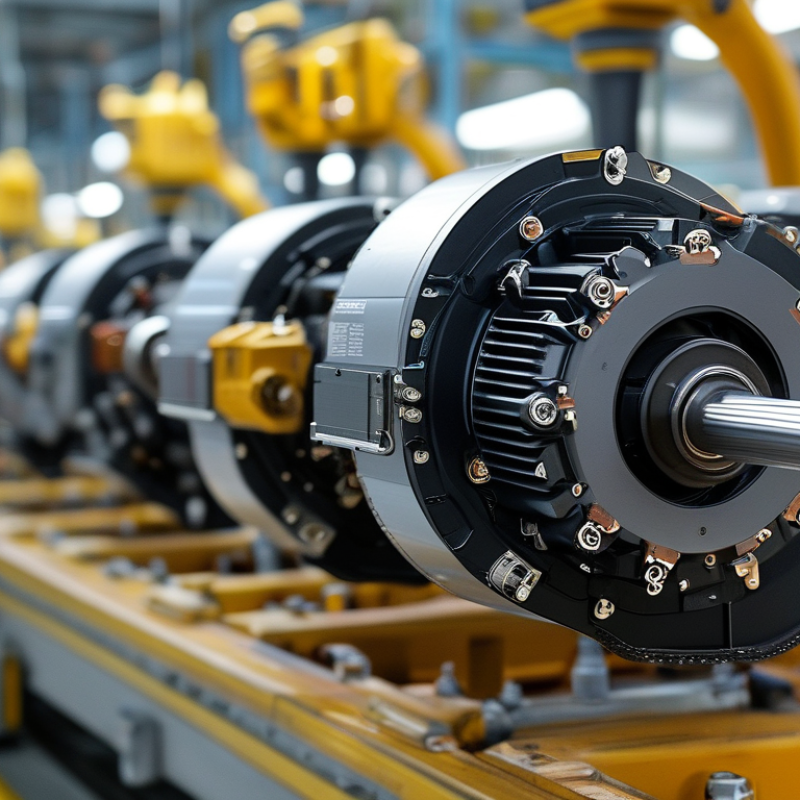
High torque motors play a crucial role in various industries in 2026. These motors provide reliable performance for applications requiring significant power. In a world pushing for increased efficiency and sustainability, high torque motors are indispensable. They ensure smooth operation in machinery ranging from electric vehicles to industrial automation. Their ability to deliver high torque at low speeds makes them suitable for heavy-duty tasks.
As technology evolves, the importance of these motors becomes clearer. Industries face the challenge of enhancing productivity while minimizing energy consumption. High torque motors can address both goals effectively. Their design allows for better thermal management and durability. However, the need for ongoing innovation in motor technology persists. Striking a balance between performance and energy efficiency is a continuous challenge.
Despite their advantages, high torque motors are not without limitations. Their size and weight can be drawbacks in some applications. Additionally, the cost of advanced materials used in manufacturing may rise. Companies must evaluate these factors when making purchasing decisions. Understanding the specific needs and operational context is essential for successful implementation. This reflection on challenges encourages a broader perspective on motor solutions.
: A high torque motor is designed to deliver substantial power at low speeds, enabling heavy-duty tasks.
They are crucial for enhancing productivity and sustainability in various industries, ensuring reliable performance.
These motors are used in electric vehicles, industrial automation, and heavy machinery applications.
They offer quick acceleration and improve the efficiency of electric and hybrid vehicles.
Yes, their size, weight, and high manufacturing costs can be drawbacks, especially for smaller companies.
They drive conveyor belts and robotic systems, increasing production rates and ensuring precise control.
They can generate significant heat, leading to potential inefficiencies and requiring better cooling systems.
By minimizing energy consumption while delivering high torque, they help industries achieve greener operations.
Companies must evaluate specific needs, operational context, and balance performance with cost and efficiency.
Yes, the evolving demands of industries compel ongoing advancements in design and efficiency for these motors.
The article "High Torque Motor Solutions for Global Buyers in 2026" provides a comprehensive overview of the importance and applications of high torque motors across various industries. As we approach 2026, high torque motors are becoming increasingly vital due to their capability to deliver substantial power and efficiency, which is essential for demanding tasks in sectors such as manufacturing, automotive, and renewable energy.
In addition, the article discusses emerging technologies that are shaping the design and manufacturing processes of high torque motors, highlighting trends that are likely to influence the global market. Buyers are advised to consider several key factors when selecting high torque motors, ensuring they choose solutions that meet their specific needs while keeping up with the evolving technological landscape. Overall, high torque motors are poised to play a crucial role in advancing industry capabilities in the near future.
