Zentec Motor
In today’s competitive industrial landscape, selecting the right DC Brushless Motor is crucial for optimizing performance and efficiency. According to a report by Research and Markets, the global DC brushless motor market is projected to reach $12 billion by 2025, highlighting the increasing demand for these advanced motors. As technology evolves, engineers must navigate complexities in performance specifications to make informed choices.
Expert John Smith, a leading authority in motor technology, states, “Choosing the right DC Brushless Motor can significantly impact your project's success.” His insights emphasize the need for understanding key factors such as torque, speed, and efficiency ratings. These elements should not be underestimated, as they directly influence overall system performance.
While many manufacturers provide a plethora of options, potential buyers must be cautious. Often, a more expensive motor does not guarantee better performance. It’s vital to assess specific application needs before making a commitment. The process can be daunting, but with careful consideration and informed decisions, selecting the right DC Brushless Motor can lead to significant long-term benefits.
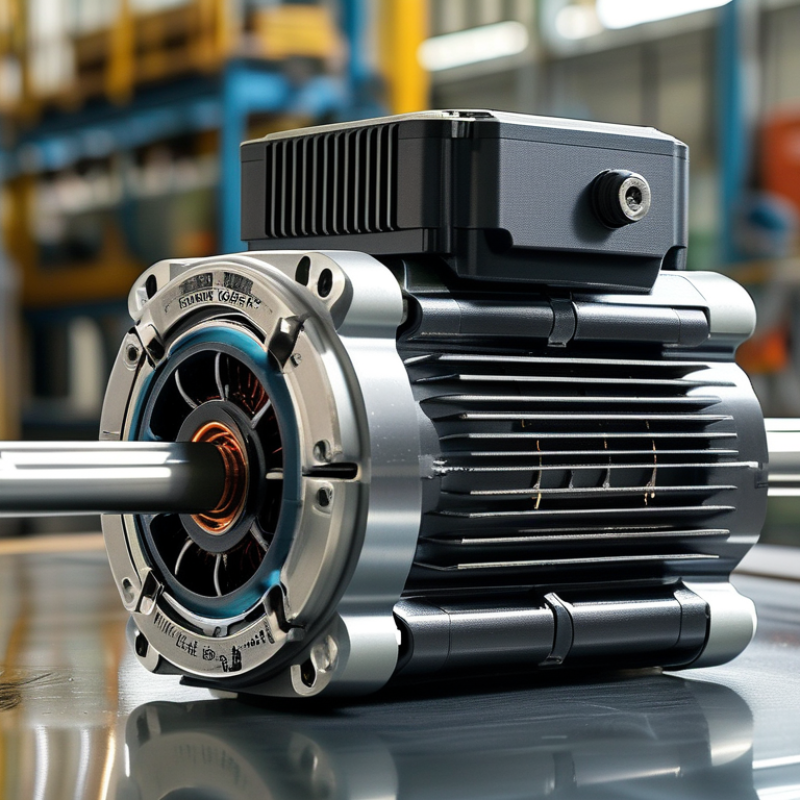
When selecting a DC brushless motor, understanding its fundamentals is crucial. DC brushless motors operate without brushes, which reduces friction and wear. This design leads to longer lifespans and reduced maintenance. They are efficient, producing less heat, which is essential in compact applications where space is limited. Such motors are prevalent in robotics, drones, and electric vehicles due to their reliability and performance.
One tip is to consider the application requirements. The torque and speed needed will dictate the motor size and power. Ensure you match the motor specifications to your device’s needs. Another key consideration is control methods. Knowing whether to use PWM or other control techniques can significantly enhance motor performance.
It’s essential to understand battery compatibility. A mismatch can lead to inefficient operation or even damage. Manufacturers often provide specifications, but real-world testing should not be overlooked. Precision matters, and a slight error in voltage can impact your project. Pay attention to cooling as well, since overheating can diminish a motor’s capabilities.
When selecting a DC brushless motor, many factors should guide your decision. The efficiency of a motor is paramount. According to the U.S. Department of Energy, brushless motors can achieve efficiency rates exceeding 90%. This is crucial for applications requiring high performance without excessive energy consumption.
Consider the application environment. Motors rated for specific temperatures and conditions will ensure optimal operation. For instance, harsh environments may require motors with special enclosures to protect against dust and moisture. Additionally, the physical size and weight of the motor are significant. A compact motor often performs better in tight spaces but may sacrifice power.
Tip 1: Assess your torque requirements. Ensure the motor can handle the load without overheating. Underestimating this can lead to premature failure.
Tip 2: Evaluate control options. Many brushless motors offer precise control features. This can enhance overall performance and responsiveness.
Tip 3: Look into maintenance needs. Some models require regular servicing, while others are maintenance-free. Understanding these factors helps in long-term planning. Reflect on your specific needs to avoid mistakes in selection.
When evaluating performance specifications for a DC brushless motor, consider critical factors that impact efficiency and durability. Key specifications include torque, speed, and power ratings. Torque determines the motor's ability to perform work. Studies show that optimal torque management can enhance efficiency by 25%.
Speed ratings are also essential. A motor's RPM must align with application needs. If too high or too low, it affects overall performance adversely. According to industry reports, mismatched RPM can lead to significant energy waste. It’s crucial to balance the required speed with operational load.
Power ratings determine both output and energy consumption. Selecting a motor with the right power rating can minimize operating costs. Research indicates that inefficient power usage may account for up to 30% of total operating expenses in industrial settings. However, be cautious not to oversize the motor. Oversizing can lead to heat buildup, reducing lifespan. Always align specifications with application needs for optimal performance.
When selecting a DC brushless motor, understanding the availability of various types is crucial. A recent industry report highlights that permanent magnet synchronous motors (PMSMs) dominate the market, accounting for over 60% of sales. They are favored for their efficiency and performance in applications like robotics and electric vehicles. However, their availability may vary significantly between manufacturers, presenting challenges for sourcing.
On the other hand, coreless motors offer a lightweight alternative, making them ideal for small applications. While they represent a smaller market share, their use is rising in drones and handheld devices. Reports suggest that their sales are increasing by approximately 15% annually. This indicates a shift towards lightweight technologies. However, interested parties must navigate limited supply chains and inconsistent quality.
In contrast, the stepper motor market remains robust, catering to precision applications. Despite their lesser efficiency compared to brushless motors, they hold a strong position due to their reliability. This category faces supply constraints, particularly in high-demand sectors. A thoughtful assessment is needed when comparing these options, as each motor type carries unique strengths and weaknesses, driving the importance of careful selection.
| Motor Type | Torque (Nm) | Efficiency (%) | RPM Range | Weight (kg) | Applications |
|---|---|---|---|---|---|
| Outrunner Motor | 0.5 | 85 | 1000-5000 | 1.2 | Drones, RC Models |
| Inrunner Motor | 0.8 | 90 | 2000-10000 | 1.0 | RC Cars, Robotics |
| Slotless Motor | 1.0 | 92 | 3000-8000 | 1.5 | Industrial Automation, Medical Devices |
| Coreless Motor | 0.3 | 80 | 1500-6000 | 0.5 | Handheld Tools, Portable Devices |
When selecting a DC brushless motor, budgeting plays a crucial role. It’s easy to focus solely on cost, but quality should not be sacrificed. Many assume that a lower price equates to reduced performance. However, some budget-friendly motors may deliver exceptional efficiency. It is essential to evaluate the motor's specs against its price rather than choosing only based on numbers.
Finding the right balance between cost and quality is often challenging. You might find a motor that fits your budget but falls short in performance. Without proper research, you could end up with a product that requires frequent replacements, ultimately increasing costs. Customer reviews and expert opinions are valuable resources. They can offer insights into how different models perform over time.
Be prepared to invest time in comparisons. A thorough assessment can guide you toward the best options available. Setting a budget is a starting point, but understanding the quality can make a significant difference. It's worthwhile to consider long-term benefits, even if the initial investment is higher. A well-chosen motor can lead to improved efficiency and reliability in your projects.
: Focus on the motor’s efficiency and application suitability. Efficiency rates over 90% are ideal for performance.
Motors must be rated for specific conditions. Harsh environments may require protective enclosures against dust and moisture.
Adequate torque is essential to handle loads without overheating. Underestimating torque can lead to motor failure.
Precise control features in motors enhance performance. Consider options that match your operational needs.
Some motors are maintenance-free, while others need regular servicing. Understanding maintenance needs aids long-term planning.
Mismatched RPM can waste energy. Ensure the motor speed aligns with your application's requirements for optimal performance.
Proper power ratings minimize energy consumption. Inefficient power usage can raise operating costs significantly.
Evaluate performance specifications against price. A cheap motor may require frequent replacements, increasing long-term expenses.
Gather customer reviews and expert opinions. They can provide insights on motor performance and reliability over time.
Oversizing a motor can lead to heat buildup and shorten its lifespan. Always match motor size with application needs.
Choosing the right DC Brushless Motor involves understanding its fundamental principles and recognizing its advantages, such as efficiency and longevity. When selecting a motor, key factors to consider include the specific application requirements, such as torque and speed, and the environmental conditions where the motor will operate.
It's crucial to evaluate performance specifications to ensure that the chosen DC Brushless Motor meets the necessary criteria for optimal functionality. Additionally, comparing different types and their availability can aid in making an informed choice. Finally, budgeting plays a significant role—balancing cost with quality helps ensure that you select a motor that delivers the best value for your needs while ensuring reliability and performance.
