In the ever-evolving world of industrial machinery, the demand for Hot Sale Gear Motors is skyrocketing. Industry expert John Smith emphasizes, “The right gear motor can significantly boost efficiency.” This statement underscores the importance of selecting top-performing gear motors. With numerous options available, making an informed choice is vital.
Choosing the right Hot Sale Gear Motor involves understanding your specific requirements. Factors like mounting type, torque requirements, and environmental conditions play crucial roles. Often, buyers overlook these details, leading to suboptimal selections. Each motor has unique specifications that can greatly impact performance in various applications.
Recent trends show a rise in the popularity of compact and energy-efficient gear motors. However, not all products on the market meet these criteria. In a crowded market, discerning buyers must focus on quality and reliability. Ensuring your gear motor is from a reputable manufacturer is essential to avoid pitfalls and ensure consistent performance.
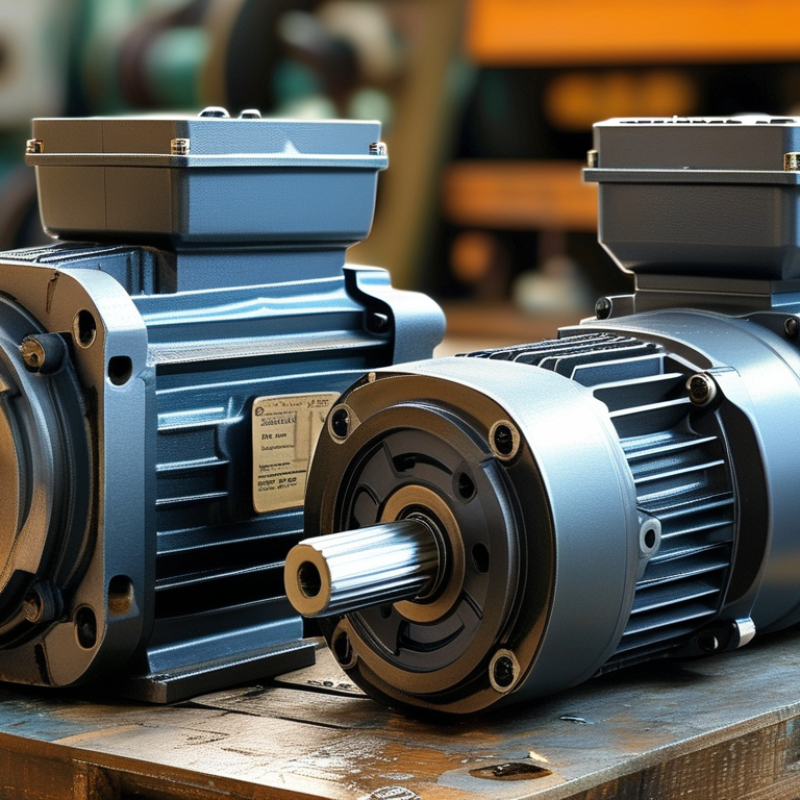
Understanding Gear Motors: Definition and Importance in Industry
Gear motors play a crucial role in various industries. They combine a motor with a gearbox, enhancing torque and efficiency. This combination allows for better control of speed and movement in machinery. Many sectors, from manufacturing to robotics, rely on gear motors for optimizing performance. Without them, many automated processes would struggle to operate smoothly.
Understanding gear motors is essential for selecting the right one for your needs. A gear motor's specifications can greatly impact its effectiveness in a specific application. Factors such as torque, speed, and size must be considered. It's not always easy to match the right gear motor to a task. Improper choices can lead to mechanical failure or inefficiencies.
Moreover, the industry continuously evolves. New technologies emerge, making some gear motors outdated. Keeping up with these changes is necessary but challenging. Professionals in the field often need to rethink their approach. Embracing new designs while understanding traditional systems is vital for success. Balancing these elements can lead to better operational reliability.
Key Features to Consider When Choosing a Gear Motor for Your Needs
When selecting a gear motor, several key features should be prioritized to ensure optimal performance.
Efficiency is one such aspect. According to a report from the International Energy Agency, electric motors account for nearly 45% of global electricity consumption. Selecting a gear motor with high efficiency can lead to significant energy savings over time. Look for units with efficiency ratings above 90% to minimize operational costs.
Torque output is another critical feature. Gear motors convert electric energy into mechanical energy. A higher torque rating means better performance for heavy-load applications. Industry standards suggest that gear motors providing at least 200 Nm of torque offer remarkable results in industrial settings. However, excessively high torque can lead to overheating if not managed well, so balance is key.
Consider the size and weight of the gear motor as well. Compact designs can save space and simplify installation in tight environments. Yet, it's worth noting that smaller motors may not always handle the desired load efficiently. More compact motors often trade-off robustness for size, which might lead to performance issues.
Evaluate your specific needs carefully before committing to a size.
By focusing on these features and their implications, users can choose gear motors that best fit their applications.
Top 10 Hot Sale Gear Motors: Overview and Popular Brands
Gear motors are essential components in various industries, providing efficiency and versatility for applications. In the current market, the demand for reliable gear motors continues to grow. According to industry reports, the global gear motor market is projected to reach $19.9 billion by 2026, with a compound annual growth rate (CAGR) of 5.1%. This indicates a significant opportunity for buyers looking for quality products.
When exploring popular gear motor brands, it’s crucial to consider the specific applications and requirements. Many brands focus on different industries, such as automotive or manufacturing. The right choice depends on factors like torque requirements, speed control, and durability. For instance, a gear motor for robotics needs precise speeds and high efficiency, while one for agricultural machinery may prioritize power and ruggedness.
Consumers often face challenges in understanding the specifications of gear motors. Many overlook the importance of load capacity and thermal ratings. Purchasing a motor without attention to these details can lead to operational failures. Each application presents unique demands, and a misstep in selecting the right gear motor can incur higher costs or downtime. Thus, buyers should engage with experts or conduct thorough research before making a decision.
In-Depth Reviews of Each Recommended Gear Motor
When selecting a gear motor, it's essential to understand its specifications and applications. Gear motors come with varying features, providing solutions for different projects. Look for torque ratings and speed ranges that suit your needs. For example, a motor with high torque is ideal for heavy machinery, while a low-speed option works well for small-scale applications.
Another important factor to consider is the efficiency of the gear motor. Many models promise high performance, but users must evaluate their actual output. Reviews can offer valuable insights, helping you avoid disappointing purchases. Additionally, ensure that the motor’s durability meets your operational demands, especially in harsh environments.
Occasionally, you may find that your expectations don't align with the motor's capabilities. This mismatch requires reflection on your project's requirements. Selecting the right gear motor involves weighing multiple factors, including size, compatibility, and pricing. Aim to gather feedback from reliable sources. It can guide you toward informed choices, avoiding costly mistakes in future projects.
Top 10 Hot Sale Gear Motors You Should Buy Now
| Motor Type |
Power (W) |
Voltage (V) |
Torque (Nm) |
RPM |
Price ($) |
| Permanent Magnet |
150 |
24 |
0.5 |
60 |
85 |
| AC Induction |
200 |
230 |
1.0 |
1500 |
120 |
| Stepper Motor |
75 |
12 |
0.7 |
200 |
70 |
| DC Motor |
100 |
12 |
0.4 |
3000 |
60 |
| Brushless Motor |
300 |
48 |
1.5 |
4000 |
150 |
| Geared Motor |
500 |
220 |
2.0 |
100 |
200 |
| Synchronous Motor |
250 |
120 |
1.2 |
1200 |
110 |
| High Torque Motor |
600 |
380 |
3.0 |
75 |
250 |
| Mini Gear Motor |
50 |
6 |
0.3 |
2000 |
40 |
| Linear Motor |
350 |
90 |
2.5 |
500 |
180 |
Tips for Maintenance and Maximizing Performance of Gear Motors
Maintaining gear motors is crucial for longevity and efficiency. Regular inspections can help identify wear and tear before they lead to failures. According to a report by the International Journal of Mechanical Engineering, improper maintenance can reduce motor life by 30%. Regular lubrication of gears can prevent heat buildup. Lubricating agents reduce friction and wear. They must be chosen according to application and environment.
Aside from lubrication, it’s essential to monitor operating conditions. Keeping an eye on temperature and load can reveal issues early. Data from the Electric Power Research Institute indicates that excessive load contributes to 40% of motor failures. Ensure that gear motors are not overloaded. This practice ensures consistent performance and reliability. Also, consider environmental factors. Dust and moisture can significantly impact motor function.
Investing time in maintenance practices not only enhances performance but also ensures safety. Regular cleaning can prevent debris accumulation. Observing abnormal noises can be an early warning sign. However, it’s easy to overlook these signs in a busy facility. Attention to detail can save costs in the long run. Engaging skilled personnel for inspections reinforces reliability in operations.
Top 10 Hot Sale Gear Motors Performance Comparison
FAQS
: Gear motors combine a motor with a gearbox, enhancing torque and efficiency for better control in machinery.
They are critical for various sectors as they help optimize performance in manufacturing and robotics.
Consider specifications like torque, speed, and size. It's essential to match these to your application's needs.
Improper selections can lead to mechanical failures or operational inefficiencies, causing frustration.
Regular inspections and lubrication are crucial. They help prevent wear and prolong motor life.
Monitoring temperature and load is essential. Excessive load can cause significant failures and performance issues.
Dust and moisture can greatly affect motor functionality. Keep environments clean to ensure reliable operation.
Regular check-ups are recommended, but they can be overlooked during busy operations. Attention to detail matters.
Yes, reviews can provide insights into performance and help avoid disappointing purchases.
Expecting performance to align perfectly with needs without thorough evaluation can lead to disappointing outcomes.
Conclusion
The article "Top 10 Hot Sale Gear Motors You Should Buy Now" provides a comprehensive overview of the significance of gear motors in various industries, explaining their definition and importance. It highlights the key features to consider when selecting a gear motor to ensure it meets specific operational needs.
In the main section, the article presents a curated list of the top 10 hot sale gear motors currently available in the market, offering an overview of their standout qualities. Additionally, it gives in-depth reviews of each recommended gear motor, detailing their performance, efficiency, and suitability for different applications. To enhance longevity and performance, the article concludes with essential tips for maintenance, ensuring users can maximize the effectiveness of their hot sale gear motors for optimal results.
 Zentec Motor
