Zentec Motor
DC Gear Motors play a crucial role in various industrial applications. They are essential for projects that require precise movement and control. According to a recent report by Research and Markets, the global DC Gear Motor market is projected to reach $6.8 billion by 2025, growing at a CAGR of 4.5%. This growth emphasizes the increasing demand for reliable machinery in sectors like robotics and automation.
Expert John Smith, a recognized authority in power transmission systems, noted, "Choosing the right DC Gear Motor can greatly enhance project efficiency." His words highlight the importance of selecting the most suitable motor for specific applications. With numerous options available, making the right choice can be overwhelming. Some products may emerge as strong contenders, while others may not meet the required standards.
The right DC Gear Motor can transform project outcomes. However, not all motors perform equally. Factors such as torque, speed, and efficiency must be scrutinized. Failure to invest time in research can lead to costly mistakes. Emphasizing the need for informed choices, engineers must reflect on how their selections impact project success.
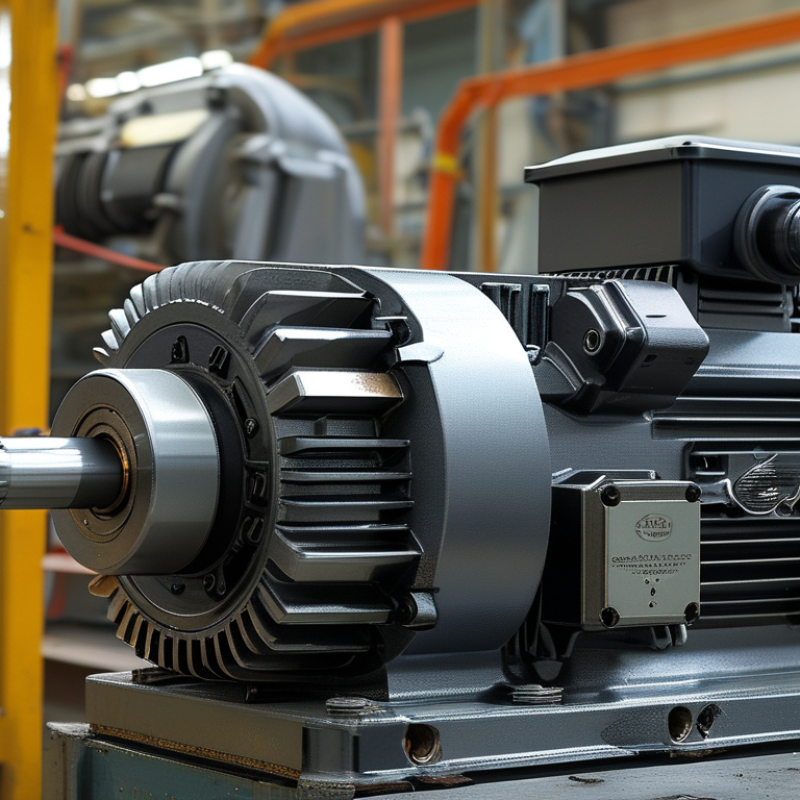
DC gear motors play a vital role in various projects, especially in robotics and automation. These motors combine speed control with torque, making them essential for applications requiring precise movements. The gear mechanism multiplies the torque while reducing the speed, allowing for more efficient power usage. Understanding these motors can significantly impact the success of your project.
When selecting a DC gear motor, consider your project's requirements. Think about the torque needed and the speed you want to achieve. A motor that is too powerful may lead to over-engineering, while one that is underpowered can cause performance issues. It's crucial to calculate the right specifications. Sometimes, misjudging these factors can lead to wasted resources or project delays.
When selecting a DC gear motor for your projects, consider several key factors. Power requirements are crucial. Determine how much torque you need. This will influence the size and type of motor you choose. Make sure to calculate the load the motor will handle. A motor with insufficient torque may overheat or fail.
Speed is another important factor. Different applications require different RPM ranges. Match the gear motor’s speed to your project’s specifications. Sometimes, you may want variable speeds. This adds complexity, so plan accordingly.
The operating environment also affects your choice. Motors exposed to moisture or dust require specific enclosures. External conditions can wear out motors faster, leading to unexpected breakdowns. Observing your project’s unique requirements will help you make a better decision. Finally, consider the costs involved. Balancing quality with budget is often challenging but necessary.
This chart compares the torque ratings of the top 10 DC gear motors. Torque is a critical factor in selecting the right motor for your projects, impacting performance and efficiency.
When selecting DC gear motors, several factors enhance their effectiveness for different applications. These motors combine precision with power, making them suitable for robotics, automation, and everyday devices. Their configurations vary widely, affecting speed, torque, and efficiency, each requiring careful consideration.
High torque motors are crucial for lifting machinery. If the motor has inadequate torque, the application may falter. Applications like conveyor belts need steady speed and little vibration. Therefore, gear ratios are essential in these selections. For general purposes, a balance between speed and torque is often desirable. However, maintaining this balance can be challenging. Overestimating torque needs may lead to inefficient components.
Some finds suggest opting for motors with integrated encoders. They offer feedback for enhanced control. This feature allows for precise adjustments, especially in robotics. Yet, the complexity of these motors can also be a drawback. The installation process might require expertise. Thus, assessing both the benefits and challenges is vital. Each project has unique requirements, and the right choice of motor can make a significant difference.
When selecting a DC gear motor for your projects, performance should be a priority. According to the International Journal of Engineering Research, torque and RPM are critical factors. Motors with a high torque rating can handle heavier loads, making them suitable for robotics and automation. For instance, motors rated above 10 Nm often demonstrate better efficiency in demanding applications. It's essential to balance torque with speed to meet your project's needs effectively.
Vibration and noise levels also play significant roles in motor performance. A recent report from the Electric Motor Research Institute highlighted that reducing noise by at least 5 dB can significantly improve user experience. This is vital for applications in residential environments or quiet workplaces. Careful selection based on both technical specifications and environmental considerations can lead to more successful outcomes, even if the perfect motor doesn’t exist for every situation.
Thermal management is another essential aspect. Overheating can affect the lifespan and efficiency of a DC gear motor. Industry standards suggest keeping operating temperatures below 70°C to ensure longevity. However, in real-world applications, this is not always easy to achieve. Engineers may need to assess the cooling methods used, as they may impact overall motor reliability. Balancing these factors is key to selecting the right motor for diverse applications.
When integrating DC gear motors into your projects, understanding your requirements is crucial. Define the torque and speed needed for your application. For instance, a robotics project may need high torque but low speed for precise movements. Measure your workspace and ensure the motor fits comfortably.
Connecting the motor requires careful consideration of power sources and controllers. Choose controllers that match the motor specifications. An undervalued point is wiring; poor connections can lead to performance issues. Additionally, ensure adequate cooling for the motor. Overheating could cause malfunctions.
Testing is essential during the integration process. Run the motor at various speeds to evaluate its response. Document any irregularities you face. Sometimes, the motors may not perform as expected. Investigate and analyze the cause before moving forward. Flexibility in your approach can lead to better outcomes.
| Motor Model | Rated Voltage (V) | Rated Torque (Nm) | Rated Speed (RPM) | Gear Ratio | Weight (kg) |
|---|---|---|---|---|---|
| Model A | 12 | 0.5 | 100 | 100:1 | 0.3 |
| Model B | 24 | 0.8 | 60 | 50:1 | 0.4 |
| Model C | 6 | 0.3 | 120 | 75:1 | 0.2 |
| Model D | 12 | 1.0 | 90 | 30:1 | 0.5 |
| Model E | 24 | 1.5 | 72 | 25:1 | 0.6 |
| Model F | 12 | 0.7 | 80 | 40:1 | 0.4 |
| Model G | 30 | 2.0 | 50 | 20:1 | 0.8 |
| Model H | 12 | 3.0 | 40 | 10:1 | 0.7 |
| Model I | 24 | 1.2 | 30 | 15:1 | 0.5 |
| Model J | 12 | 0.9 | 110 | 65:1 | 0.3 |
: Calculate the torque needed for your load. Insufficient torque can cause overheating or failure.
Speed must match your application’s RPM requirements. Some projects may need variable speeds, adding complexity.
Consider moisture and dust exposure. Specific enclosures may be necessary to prevent wear and unexpected breakdowns.
Higher torque ratings can handle heavier loads. Balancing torque and speed is essential for effective performance.
Lower noise levels, ideally reduced by 5 dB, improve user experience. This is crucial in quiet settings.
Overheating can shorten motor lifespan. Aim to keep temperatures below 70°C for better performance.
Yes, it can be tough to achieve low operating temperatures. Assess cooling methods and their impact on reliability.
Balancing quality with budget is often challenging. Sometimes, compromises may lead to choices that require reflection.
DC Gear Motors play a crucial role in various projects by providing efficient power and torque control. When selecting a DC Gear Motor, it is essential to consider key factors such as voltage, gear ratio, load requirements, and application-specific needs.
The article outlines the top 10 recommended DC Gear Motors suitable for diverse applications, along with performance comparisons that highlight their strengths and weaknesses. Additionally, practical tips for integrating these motors into projects are provided, ensuring that users can make informed decisions and achieve optimal results in their applications. Understanding these elements is vital for anyone looking to harness the capabilities of DC Gear Motors effectively.
