Zentec Motor
The global demand for Mini Gear Motors continues to surge. As industries aim for efficiency, these compact devices play a pivotal role. Reports indicate a projected growth rate of 6.5% annually in the mini gear motor market. Many sectors rely on these motors, from automation to automotive.
China stands out as a leading supplier of Mini Gear Motors. Its rapid industrial growth and technological advancements have positioned it at the forefront. Major suppliers in China not only provide cost-effective solutions but also offer high-quality products tailored to diverse applications. However, the market is not flawless; variations in quality exist among suppliers.
While the opportunities are vast, buyers must tread carefully. Choosing a reliable supplier is crucial. It’s essential to evaluate certifications and customer feedback. The complexity of the market can be overwhelming, but informed decisions lead to lasting partnerships. Understanding the landscape of Mini Gear Motors can ultimately drive success.
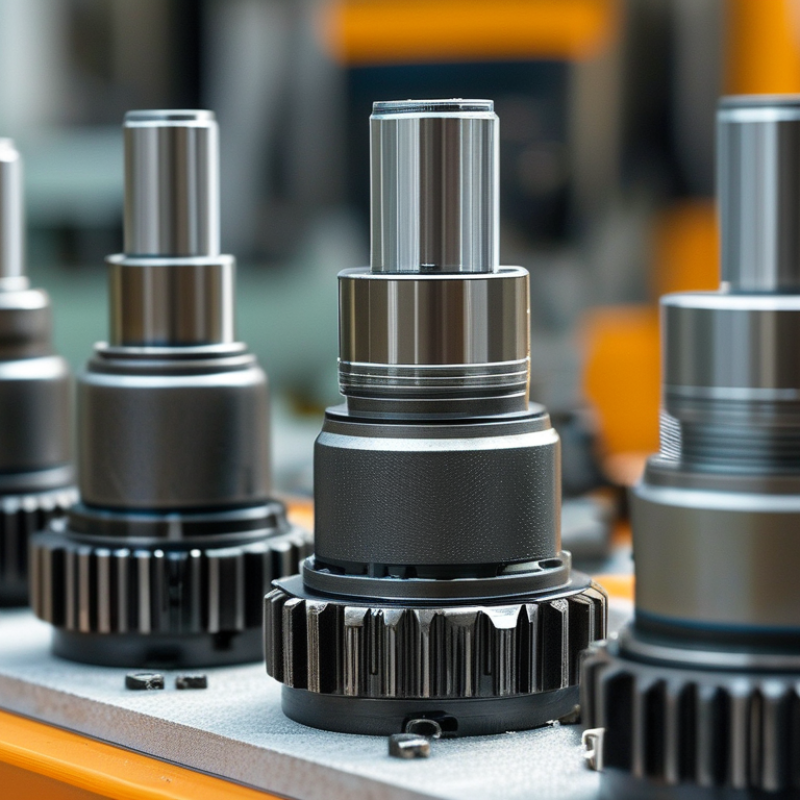
China's mini gear motor industry is rapidly evolving. As global demand for automation increases, Chinese suppliers are stepping up. According to industry reports, the market size of mini gear motors in China reached over 5 billion USD in 2022, reflecting a growth rate of approximately 15% per year. This surge indicates a significant investment in research and development. Many manufacturers are adopting advanced technologies to enhance motor efficiency and reduce energy consumption.
The innovation landscape is competitive. Many suppliers focus on achieving precision while maintaining cost-effectiveness. A report from an industry analysis firm suggests that over 60% of mini gear motors produced in China are exported. This statistic highlights China's pivotal role in the global supply chain. However, challenges remain. Quality control and production consistency are concerns that need addressing. Increased production does not always guarantee better quality, which can impact buyer trust.
Moreover, the workforce in this sector faces skill gaps. While there are many workers, the need for specialized training is growing. As the industry pushes for higher standards, the reliance on advanced manufacturing techniques raises questions about sustainability and scalability. This complexity reflects the broader trends within the global mini gear motor market, where innovation must balance with quality assurance and workforce development.
Mini gear motors are essential components in various applications. They combine compact design with powerful output. Their versatility allows for use in robotics, automotive, and consumer electronics. A key characteristic of these motors is their torque-to-weight ratio. A high torque output in a lightweight package is crucial for efficiency. Users often seek motors that can operate in tight spaces without compromising power.
Another vital aspect is the gear reduction mechanism. This feature enhances performance by lowering speed while increasing torque. Depending on specific needs, buyers should consider the gear ratio. The right ratio optimizes the motor for particular tasks. For instance, a higher ratio is suited for heavy-duty applications.
In terms of reliability, quality manufacturing plays a pivotal role. It ensures durability and consistent performance. However, potential buyers may face challenges in sourcing quality products. A lack of standardization across suppliers can lead to inconsistent results. It’s essential for buyers to conduct thorough research. Understanding specifications and applications helps in making informed decisions.
China has positioned itself as a global leader in the mini gear motor industry. This sector has witnessed significant growth, driven by innovation and manufacturing prowess. Many suppliers focus on high precision and durability to cater to various applications. They work across industries such as robotics, automotive, and consumer electronics. Notable trends include the integration of smart technology, enhancing motor efficiency.
However, challenges remain for these suppliers. Quality control can sometimes be inconsistent, leading to reliability issues. Many companies are investing in better testing processes to enhance product quality. Supplier partnerships are crucial in navigating these challenges. Collaborations with engineers help develop motors that meet specific industry needs.
Innovation is not just about new designs; it’s about improvement. Manufacturers continually seek feedback to refine their products. Despite the competitive landscape, some suppliers struggle to keep pace with evolving demands. The journey towards excellence in the mini gear motor market involves a commitment to learn from setbacks. Every step forward is a reflection of dedication and resilience in a dynamic marketplace.
| Supplier Category | Annual Revenue (USD) | Number of Employees | Production Capacity (Units/Month) | Years in Business |
|---|---|---|---|---|
| Leading Manufacturer | $25,000,000 | 200 | 50,000 | 15 |
| Innovative Start-up | $5,000,000 | 50 | 10,000 | 5 |
| Established Exporter | $15,000,000 | 120 | 30,000 | 10 |
| Small Manufacturer | $1,000,000 | 20 | 5,000 | 3 |
When sourcing mini gear motors, several crucial factors come into play. The global market for mini gear motors reached approximately $1.2 billion in 2022 and is expected to grow at a CAGR of 7.5% by 2028. Understanding the specifications required for your application is essential. Different industries have distinct needs. For instance, robotics and automation sectors demand high efficiency. Others might prioritize compact design or low noise levels.
Quality assurance is another pivotal aspect. According to industry reports, buyers should select suppliers who adhere to international quality standards. Look for manufacturers with certifications like ISO 9001, which indicates a robust quality management system. Additionally, consider the supplier’s production capabilities. This includes their ability to deliver on time and manage inventory effectively.
Cost-effectiveness should not overshadow the importance of reliability. Data reveals that up to 25% of mini gear motors can experience premature failure without proper quality checks. Choosing a supplier with a strong reputation ensures you are less likely to face unexpected difficulties. Collaborating with a dependable partner leads to reduced downtime and enhanced product performance. Engaging with suppliers who embrace innovation can also provide insight into emerging technologies.
The global demand for mini gear motors is on the rise. These compact devices are used in various applications, from robotics to automotive systems. Their small size and efficiency make them ideal for intricate designs. Industries are increasingly relying on mini gear motors for precision tasks.
In manufacturing, mini gear motors drive conveyor belts and assembly lines. They enhance productivity and optimize workflows. In consumer electronics, these motors power devices like drones and electric toys. As technology advances, the need for reliable mini gear motors grows.
However, sourcing these components can be challenging for buyers. Quality assurance is crucial. Not all suppliers meet the necessary standards. Buyers must carefully evaluate potential suppliers. Awareness of quality parameters helps in making informed choices.
Collaboration between suppliers and manufacturers can lead to innovative solutions. In an evolving market, it's essential to stay updated on emerging technologies and changing demand dynamics.
: Mini gear motors are compact devices that combine power with versatility for various applications.
A high torque-to-weight ratio ensures efficiency in tight spaces without sacrificing power output.
Gear reduction lowers the motor's speed while increasing its torque, improving overall performance.
It’s essential to consider specific tasks; higher ratios work best for heavy-duty applications.
Buyers often struggle with sourcing quality products due to a lack of standardization.
Quality manufacturing ensures durability and consistent performance, impacting overall reliability.
Smart technology integration is enhancing motor efficiency across various industries.
Companies are investing in better testing processes for quality assurance and reliability.
Manufacturers use feedback for continual improvement, helping them meet evolving demands.
It requires dedication, resilience, and learning from setbacks in a competitive market.
The mini gear motor industry in China has emerged as a significant player in the global market, characterized by its innovative designs and efficient performance. Mini gear motors are compact devices used in various applications, including robotics, automation, and consumer electronics. Their key characteristics include high torque, customizable options, and energy efficiency, making them essential for modern technological requirements.
When sourcing mini gear motors, global buyers should consider factors such as supplier reliability, production capabilities, and quality standards. China's top suppliers are recognized for their leadership and innovation in this field, addressing the growing global demand for mini gear motors across diverse industries. As applications for these motors expand, understanding market dynamics and supplier strengths is crucial for successful procurement.
