Zentec Motor
In the competitive world of manufacturing, "Ready to Ship Gear Motors" have emerged as essential components for timely production. Industry expert Dr. Emily Chen once stated, “Efficiency is key; ready-to-ship options can significantly reduce delays in projects.” This insight highlights the importance of accessibility in the gear motor sector. Global buyers seek products that not only meet their specifications but also arrive promptly.
The demand for these motors is growing. Businesses prioritize quick turnarounds. However, not every supplier guarantees quality. Some may focus on speed at the expense of performance. Buyers must navigate this landscape carefully. It's crucial to select suppliers with proven track records.
Advancements in technology have streamlined production processes. Nevertheless, challenges remain. Some manufacturers struggle with inventory management, leading to longer wait times. Buyers should question sourcing strategies. An informed choice in the "Ready to Ship Gear Motor" market can enhance operational efficiency and reduce downtime. This makes diligence essential.
Selecting the right gear motor is crucial for any project. Global buyers must pay attention to several factors.
Efficiency stands out as a primary consideration. According to a recent industry report,
energy-efficient gear motors consume up to 30% less power. This can significantly reduce operational costs over time.
Another essential factor is torque. Buyers need to understand their specific application requirements.
The right torque ensures optimal performance. If the torque is too low, machines may underperform. Conversely, an excessively high torque can
cause premature wear. Data indicates that choosing the proper torque can extend the lifespan of motors by 25%.
Additionally, noise levels should not be overlooked. Many industries require quiet operations.
A gear motor with a noise level under 70 decibels is ideal for sensitive environments. Failing to consider noise can
lead to compliance issues. Reliable vendors provide comprehensive specifications, helping buyers avoid regret.
Understanding these elements ultimately leads to better decision-making in purchasing gear motors.
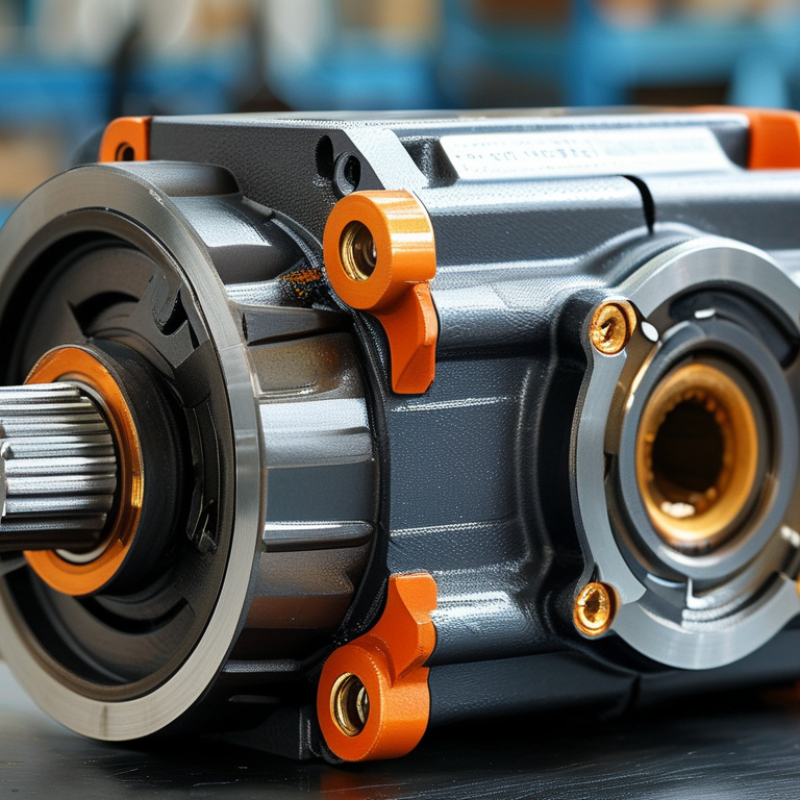
When looking for gear motors ready for immediate purchase, it's essential to understand the various types available. Gear motors are crucial in many applications, like robotics and automation. They combine a motor with a gearbox to optimize speed and torque. This combination makes them effective for different tasks.
Among the types of gear motors, the DC gear motor is notable for its simplicity. It is often used in robotics. Additionally, the AC gear motor offers reliability and performance in industrial settings. However, there are also stepper gear motors designed for precise control. This variety allows buyers to choose based on specific needs.
While many options exist, finding the right gear motor can be challenging. Consider the voltage, torque, and size before purchasing. Each choice impacts performance and suitability. Not every gear motor fits every application. It’s important to evaluate the intended use and requirements carefully. This reflection can lead to a better investment. Every choice in gear motors requires thoughtfulness and a clear understanding of one's needs.
When selecting gear motors, several key features and specifications stand out. The gear ratio is vital; it defines the speed and torque output. A higher ratio typically results in increased torque.
Motor power is another important specification. It determines the efficiency and effectiveness of the motor in various applications. Consider compact designs for limited spaces, as size and weight can greatly influence installation and operation.
Efficiency ratings are also critical. Look for gear motors that offer high energy efficiency to reduce operational costs. Noise levels matter, too. Some applications can’t tolerate excessive sound. In these cases, quieter models are essential. Thermal management features help maintain optimal performance. Ensuring a motor runs cool can extend its lifespan.
However, not every motor will meet all your needs perfectly. Consider the environment where the motor will operate. Corrosive environments may require special materials. Reflect on installation ease and maintenance requirements as well. Complex systems can lead to higher downtime and increased costs.
Ultimately, it's important to strike a balance between performance, cost, and reliability when choosing gear motors.
The demand for ready-to-ship gear motors has surged globally. These motors are essential for various industries, ensuring that machinery operates smoothly and efficiently. In recent years, manufacturers have focused on reducing lead times. This shift benefits buyers, providing quicker access to much-needed equipment.
Leading manufacturers offer a broad range of gear motors. They cater to diverse applications, from automotive to food processing. Each motor comes with various specifications and options. Buyers often face challenges in selecting the correct model for their needs. Understanding these specifications is crucial.
Not all manufacturers maintain the same standards. Some may lack transparency in their processes or provide insufficient documentation. It's essential to research thoroughly before making a decision. Reliable customer support can also make a significant impact. A good after-sales service reflects a company's commitment to its products.
The global gear motor market is experiencing robust growth, driven by increasing automation across various industries. According to a recent report by MarketsandMarkets, the gear motor market is projected to reach $19.5 billion by 2026, reflecting a compound annual growth rate (CAGR) of 5.5%. This trend signals a rising demand for efficient power transmission solutions as manufacturers seek to optimize operations and minimize energy costs.
To adapt to these trends, buyers should focus on ready-to-ship gear motors. Rapid delivery options are crucial, especially for industries that require swift machinery updates. The demand for customized solutions is also on the rise. End-users may need specific traits, like torque or size, that standard products cannot fulfill. This can lead to a disconnect between suppliers and customers, causing delays.
Consider these tips for sourcing gear motors: verify providers' production capabilities, and choose manufacturers with a reputation for quality. Leverage online platforms to connect with suppliers that prioritize transparency in their offerings. Customers often overlook the importance of service after the sale. Comprehensive support can significantly enhance operational efficiency. Remember that the right gear motor can drastically influence the overall performance of machinery but requires thoughtful selection.
: Efficiency stands out as a primary consideration. Energy-efficient motors can reduce operational costs by up to 30%.
The right torque ensures optimal performance. Low torque can lead to underperformance, while high torque may cause wear.
Many industries need quiet operations. Motors with noise levels under 70 decibels are ideal for sensitive environments.
Common types include DC gear motors for simplicity, AC gear motors for reliability, and stepper gear motors for precision.
Voltage, torque, and size all impact performance. Each choice should align with specific application needs.
Key features include gear ratio, motor power, and efficiency ratings. Consider size and weight for installation too.
Yes, environments like corrosive settings may need special materials. Understand your specific requirements for a good fit.
Proper thermal management can extend motor life. Keeping it cool is crucial for optimal performance and longevity.
Consider installation ease and maintenance. Complex systems can lead to increased downtime and costs.
Not every motor fits every application. Careful evaluation helps avoid regrets and enhances investment quality.
The article "Top 10 Ready to Ship Gear Motors for Global Buyers" provides a comprehensive guide for buyers seeking immediate solutions in gear motors. It emphasizes key considerations for selecting the right gear motor, including compatibility, efficiency, and application-specific requirements. The overview of the various types of gear motors available for prompt purchase helps buyers identify the best options suited to their needs.
Moreover, the article highlights essential features and specifications of popular ready to ship gear motors, catering to a diverse range of industrial applications. It also discusses leading global manufacturers known for producing reliable gear motors, alongside current market trends and future outlooks for gear motor demand worldwide. This insightful exploration equips global buyers with the necessary knowledge to make informed decisions in their purchasing endeavors.
